
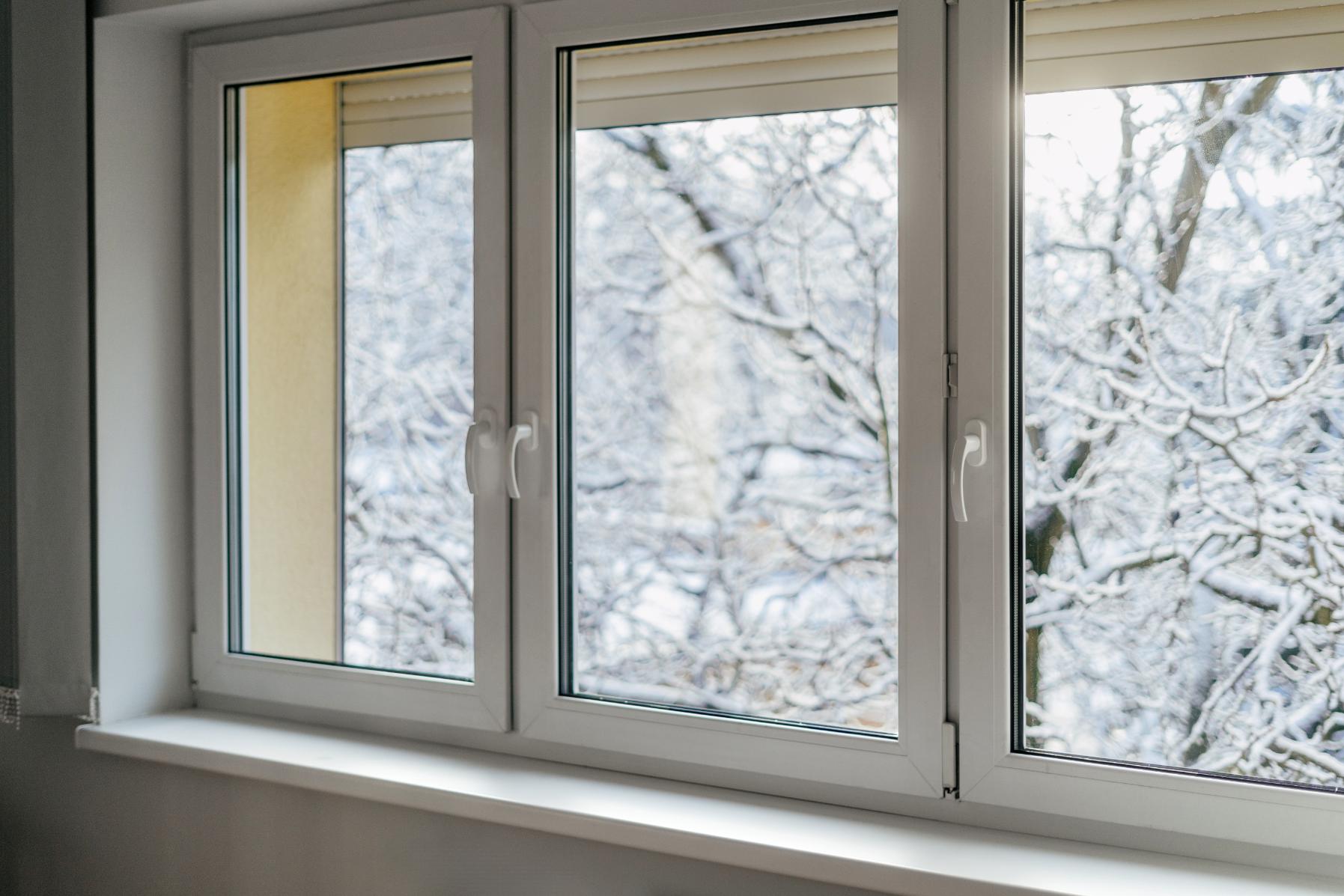
Foggy windows can be especially noticeable during Philadelphia’s humid summers, cold winters, and rapid seasonal temperature changes. When condensation appears trapped between two panes of glass instead of wiping away from the surface, the problem is usually inside the insulated glass unit itself.
Quick answer: If a double-pane or insulated window stays cloudy, hazy, or fogged between the panes, the glass seal has likely failed. Cleaning the inside or outside surfaces will not remove moisture trapped within the sealed unit. In many cases, replacing the insulated glass unit can restore a clear view and improve the window’s insulating performance without requiring replacement of the entire window frame.
What local homeowners should know
-
Condensation between panes usually indicates a failed insulated glass seal rather than normal household humidity.
-
Philadelphia’s seasonal shifts between summer heat, winter cold, rain, and humidity can place repeated stress on aging window components.
-
Older homes in neighborhoods such as South Philadelphia, Northeast Philadelphia, Roxborough, and Chestnut Hill may have windows that have been exposed to decades of weather and temperature cycling.
-
A fogged insulated glass unit does not automatically mean the entire window must be replaced.
-
Persistent haze, moisture droplets, or mineral-looking deposits between panes are signs worth having professionally evaluated.
Why Do Windows Become Foggy in Philadelphia?
Windows become foggy in Philadelphia when moisture enters the sealed space between panes after an insulated glass seal begins to fail. Once the seal is compromised, humid outdoor air can move into the unit, where changing temperatures cause moisture to condense on surfaces that homeowners cannot reach or clean.
Insulated glass units are designed to create a sealed space between two or more panes. That space helps reduce heat transfer compared with a single piece of glass.
Over time, however, seals and related window components can deteriorate. Properties throughout Philadelphia County experience hot, humid weather followed by freezing winter conditions. Repeated expansion and contraction of glass, frames, sealants, and spacers can contribute to wear as windows age.
Homes near Center City may face different exposure than properties in more wooded areas such as Chestnut Hill or along higher elevations near Roxborough, but no window is completely protected from long-term weathering.
American Vinyl Products Inc. works with window and glass needs in the local area. When we evaluate a fogged window, the goal is to determine whether the problem is limited to the insulated glass unit or involves other parts of the window.
What Do We Commonly See With Failed Insulated Glass?
Failed insulated glass commonly develops persistent haze, condensation, droplets, or staining between panes that cannot be removed by normal cleaning. These symptoms may appear intermittently at first and then become more noticeable as moisture continues moving through the failed seal.
As a professional field observation, homeowners often notice the problem during periods with larger differences between indoor and outdoor temperatures. A window may look relatively clear one day and become noticeably cloudy when weather conditions change.
Philadelphia properties also vary significantly in age and construction. Rowhomes, twins, detached houses, condominiums, and renovated historic properties can all contain different generations of windows.
That means diagnosis matters. Visible fogging may indicate glass failure, while drafts, difficult operation, water intrusion around the frame, or damaged sash components can point to additional concerns.
How Does Fogged Glass Affect a Local Home?
Fogged insulated glass affects a local home by reducing visibility and signaling that the sealed glass assembly is no longer functioning as originally intended. Although the first concern is often appearance, the failed seal can also reduce some of the insulating benefit associated with a properly sealed multi-pane window.
For Philadelphia homeowners, clear insulated glass matters throughout the year.
In winter, windows separate heated indoor spaces from cold outdoor temperatures. During summer, they separate air-conditioned rooms from hot, humid exterior conditions. A compromised insulated glass unit may no longer provide the same sealed performance it once did.
The cloudy appearance can also be frustrating on windows overlooking a backyard, city street, skyline, garden, or neighborhood view.
What Are the Warning Signs That Insulated Glass May Need Replacement?
Insulated glass may need replacement when moisture, haze, or staining remains trapped between panes instead of appearing only on an accessible glass surface. The key distinction is whether the condensation can actually be wiped away.
Watch for these signs:
-
Persistent fog or haze between two panes of glass
-
Water droplets that appear to be inside the window
-
Cloudiness that returns after the visible surfaces are cleaned
-
White, gray, or mineral-like residue between panes
-
Fogging that becomes more noticeable during major temperature changes
-
A previously clear double-pane window that gradually becomes cloudy
-
Multiple nearby windows beginning to show similar age-related symptoms
-
Distortion or discoloration inside the sealed glass space
Exterior condensation by itself does not necessarily indicate seal failure. Interior surface condensation may also result from indoor humidity. Moisture trapped between panes is the more significant warning sign.
When Should You Call a Window Professional?
You should call a window professional when condensation is clearly trapped between panes, the fogging persists, or you are unsure whether the glass or the entire window is failing. A professional evaluation can help separate insulated glass failure from problems involving frames, sashes, flashing, weatherstripping, or surrounding materials.
Philadelphia homeowners can safely begin with a visual inspection.
Clean both accessible sides of the glass. Check whether the moisture disappears. Look for damaged caulking, obvious frame deterioration, or water staining near the opening.
DIY inspection should stop before attempting to separate sealed panes or dismantle window components without the proper knowledge and equipment. An insulated glass unit is manufactured as a sealed assembly and generally is not restored by simply opening, drying, and resealing it at home.
What Causes Insulated Glass Seals to Fail?
Insulated glass seals can fail because of age, repeated temperature changes, moisture exposure, movement, installation conditions, or deterioration of materials within the window assembly. In Philadelphia, seasonal weather cycling can repeatedly expose windows to different temperatures and moisture levels.
Common contributors include:
-
Age and normal material deterioration. Window components can gradually lose flexibility and performance after years of exposure.
-
Temperature cycling. Glass and surrounding materials expand and contract as temperatures change between summer and winter.
-
Moisture exposure. Wind-driven rain and persistent exterior moisture can stress vulnerable window assemblies.
-
Frame or sash movement. Building movement or changes in the window assembly can place additional stress on the edge seal.
-
Existing damage. Cracked glass, damaged sash components, or deterioration around the opening can contribute to larger window problems.
Older housing across areas such as West Philadelphia and South Philadelphia makes careful diagnosis particularly useful because window systems may have been repaired, renovated, or replaced at different times.
Can Foggy Windows Be Prevented?
Foggy insulated glass cannot always be prevented, but routine inspection and maintenance can help homeowners identify moisture and window problems before surrounding components deteriorate further. Seasonal checks are especially useful before winter and after periods of severe weather.
Homeowners can:
-
Inspect exterior caulking and visible window joints.
-
Keep drainage openings clear where the window design includes them.
-
Address exterior water intrusion instead of allowing moisture problems to continue.
-
Avoid painting over drainage paths or moving window components.
-
Monitor windows that are beginning to show intermittent haze.
-
Have cracked or damaged glass evaluated promptly.
For homes near the Delaware River, in Northeast Philadelphia, or in other exposed locations, wind and rain may make exterior maintenance especially important.
What Results Can You Expect From Insulated Glass Replacement?
Insulated glass replacement can restore clear glass when the frame and operable window components remain suitable for continued use. Instead of replacing every part of the window, the failed sealed glass assembly may be removed and replaced with a properly sized insulated glass unit.
The exact solution depends on the existing window.
After appropriate glass replacement, homeowners can reasonably expect the moisture trapped inside the old unit to be eliminated because the failed glass assembly itself has been removed. The window should also regain a clear view through the replaced glass.
Replacement does not correct unrelated frame damage, installation issues, water intrusion, or mechanical problems. Those conditions need to be evaluated separately.
What Mistakes Do Homeowners Make With Foggy Windows?
The most common mistakes involve treating trapped condensation as a cleaning problem or assuming that every fogged window requires complete window replacement. Correctly identifying where the moisture is located helps determine the appropriate next step.
Mistake: Repeatedly cleaning the glass.
Consequence: Moisture between panes remains unreachable.
Better approach: Confirm whether the haze is actually inside the insulated unit.
Mistake: Ignoring the problem for years.
Consequence: The view can continue deteriorating, and unrelated window issues may go unnoticed.
Better approach: Have persistent fogging evaluated when it becomes apparent.
Mistake: Assuming the entire window must be replaced.
Consequence: Homeowners may consider a larger project before knowing whether it is necessary.
Better approach: Determine whether insulated glass replacement is appropriate first.
What Is a Common Philadelphia Foggy-Window Scenario?
A common Philadelphia foggy-window scenario involves an otherwise functional double-pane window that gradually develops haze between the panes after years of seasonal exposure. The sash may still open and close properly, and the frame may appear serviceable, but the homeowner can no longer clean away the cloudy appearance.
For example, a homeowner in a Northeast Philadelphia twin or a Roxborough rowhome might notice that one pane looks cloudy on cold mornings. Over time, the haze becomes visible regardless of the weather.
This is not presented as a specific customer case. It is a typical scenario illustrating why an inspection can help determine whether the insulated glass unit alone may be replaced.
What Services Can Address Fogged Insulated Glass?
Fogged insulated glass is typically addressed by evaluating the existing window and replacing the failed glass assembly when the surrounding components remain suitable. The purpose of the evaluation is to identify the actual failed component rather than automatically recommending the largest possible project.
We can assess whether the visible problem appears limited to the insulated glass or whether other window conditions deserve attention.
Should You Replace the Glass or the Entire Window?
Replacing the insulated glass is often worth considering when the frame and sash remain in usable condition, while complete window replacement may make more sense when multiple window components are damaged or deteriorated. The right choice depends on what has actually failed.
Glass-only replacement targets the sealed unit causing the fog.
Whole-window replacement addresses the glass along with the frame and other components. It may be considered when the window has broader structural, operational, or weather-related problems.
A professional inspection can help Philadelphia property owners avoid making that decision based on appearance alone.
Where Do We Help With Foggy Windows?
Foggy-window service can be relevant for homeowners throughout Philadelphia and nearby communities where aging insulated glass is exposed to the region’s changing weather. Local properties range from dense urban rowhomes to detached suburban-style residences, so window conditions and replacement needs can vary significantly.
We recommend evaluating each window individually rather than assuming every cloudy unit has the same underlying condition.
What Can Happen If You Ignore Failed Insulated Glass?
Ignoring failed insulated glass usually means living with worsening haze and reduced clarity while the underlying seal failure remains unresolved. The issue is generally not corrected by cleaning, changing indoor humidity, or waiting for warmer weather if moisture is truly trapped between the panes.
Delaying an inspection can also make it easier to overlook separate problems such as frame deterioration, water intrusion, or damaged window components.
Philadelphia homeowners do not need to treat every fogged window as an emergency, but persistent between-pane condensation is worth investigating.
Frequently Asked Questions About Foggy Windows
Can a foggy double-pane window in Philadelphia be repaired without replacing the whole window?
Yes, a foggy double-pane window may be addressed without replacing the entire window when the problem is limited to the insulated glass unit. The frame, sash, and surrounding components should first be evaluated to determine whether they remain suitable for use with replacement glass.
Why do my Philadelphia windows look foggier in certain seasons?
Seasonal temperature and humidity changes can make moisture trapped inside failed insulated glass more visible. Philadelphia moves through humid summers and cold winters, creating changing temperature differences across window glass. The amount of visible condensation may change even though the underlying seal problem remains.
Is condensation inside my window always a failed seal?
No, condensation on an accessible interior surface does not automatically indicate a failed insulated glass seal. Indoor humidity can cause moisture on room-side glass. Condensation that is visibly trapped between panes and cannot be wiped away is much more consistent with an insulated glass problem.
Do older Philadelphia rowhomes need complete window replacement when glass gets foggy?
Not necessarily, because fogged glass alone does not establish that the complete window has failed. Many local rowhomes have windows installed or replaced at different times. An inspection can determine whether the sealed glass unit is the main problem or whether the sash and frame also require attention.
Can I remove moisture from between insulated glass panes myself?
Homeowners generally cannot access trapped moisture without disrupting the sealed insulated glass assembly. Cleaning products will not reach between factory-assembled panes. Drilling, separating, or attempting to reseal the unit can create additional problems, so professional evaluation is the safer approach.
Does foggy insulated glass mean the window is leaking rainwater?
Not always, because fogging between panes can occur from moisture entering through a failed edge seal rather than from visible rainwater leaking into the home. However, water stains around the frame, wall, sill, or trim may indicate a separate moisture problem that should also be investigated.
How do I know whether my Philadelphia window needs glass or full replacement?
The condition of the frame, sash, hardware, and surrounding installation helps determine whether glass replacement or complete window replacement is appropriate. If the window operates properly and the primary problem is failed insulated glass, replacing the glass assembly may be an option.
Should I replace a fogged window before a Philadelphia winter?
Having a fogged window evaluated before winter can help you understand its condition before colder weather arrives. Persistent moisture between panes indicates that the sealed unit has already failed, so an earlier inspection gives you time to determine whether insulated glass replacement or another window solution is appropriate.
Get a Clear View Again With Local Window Help
Foggy glass does not automatically mean your entire window needs to be replaced. Identifying whether the insulated glass unit, frame, sash, or another component has failed is the first step toward choosing an appropriate solution.
Restore Clearer Windows in Philadelphia
We can help evaluate persistent between-pane fogging and determine whether insulated glass replacement may be suitable for your window.